













A shift from pro hardware to everyday devices
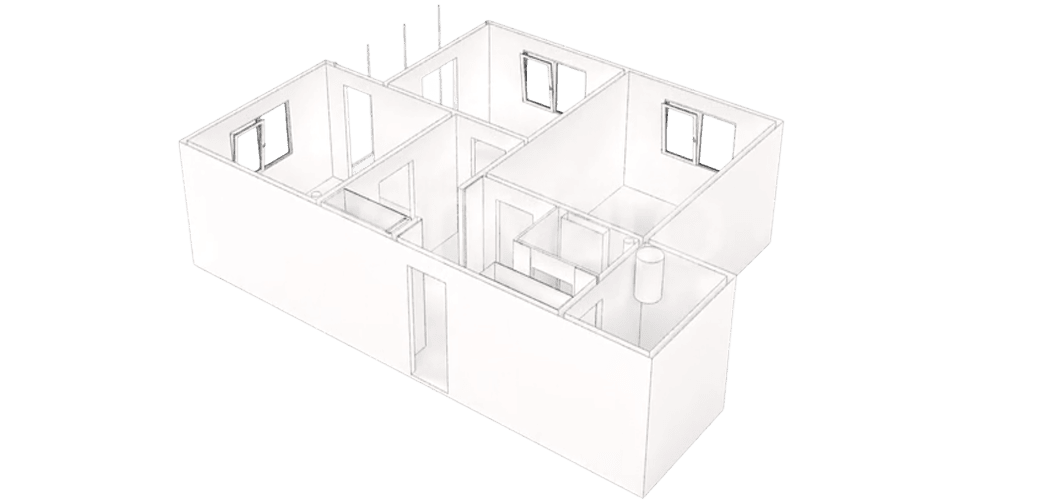
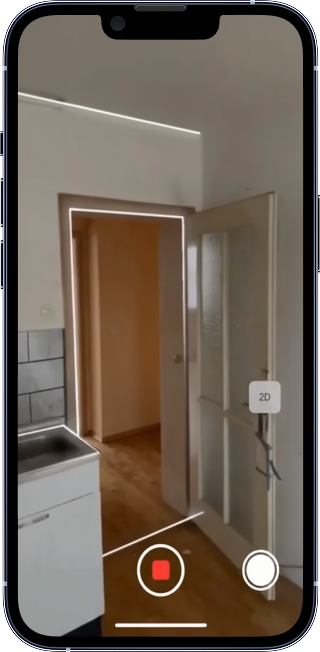
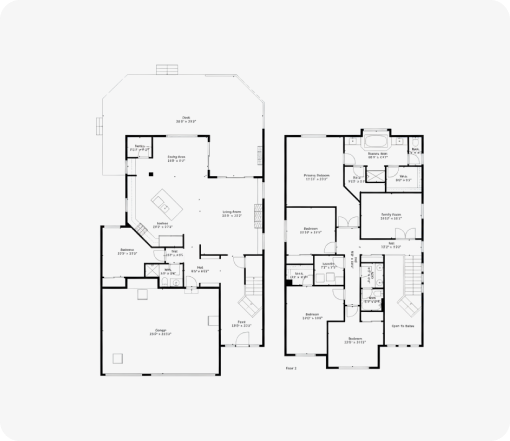
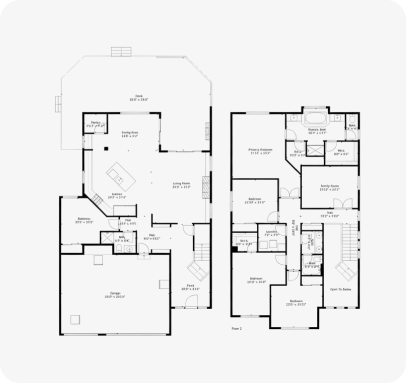
Just a few years ago, property scanning required expensive equipment, specialized operators, and time-consuming workflows. The arrival of mobile LiDAR has completely changed that landscape. In 2025, an iPhone can collect room geometry with the precision that was once limited to industrial scanners — and users don’t need any technical expertise to get reliable results.
Just a few years ago, property scanning required expensive equipment, specialized operators, and time-consuming workflows. The arrival of mobile LiDAR has completely changed that landscape. In 2025, an iPhone can collect room geometry with the precision that was once limited to industrial scanners — and users don’t need any technical expertise to get reliable results. Just a few years ago, property scanning required expensive equipment, specialized operators, and time-consuming workflows. The arrival of mobile LiDAR has completely changed that landscape. In 2025, an iPhone can collect room geometry with the precision that was once limited to industrial scanners — and users don’t need any technical expertise to get reliable results.
The biggest change is accessibility. What was previously a niche tool for surveyors and architects is now available to homeowners, agents, appraisers, and anyone who needs fast, accurate property data.